Tag Archives: growth

Don’t go to the conference stupid!

While it’s possible that a qualified sales prospect might be seated next to you at a conference session or visit your booth, relying solely on chance encounters isn’t a smart strategy. The odds are just too slim to make random interactions a primary reason for attending.

The true value of attending an industry conference multiplies when it’s approached as a well-planned, strategic platform. A team committed to making the most of the experience can leverage the event before, during, and after to maximize its impact.

To maximize the opportunity, proactively engage with targeted executives ahead of the event. Every interaction is a chance to establish a meaningful connection around a shared interest—the conference itself. Use these moments to gather insights, influence thinking, and further cultivate interest in your organization’s offerings.

Along these lines:

    • Identify Targeted Prospects: Before the conference, research who will attend from your targeted prospects and arrange one-on-one meetings. Review advance materials to see who will speak, chair, host, or plan the event. Ask the organizers for a list of registered attendees from both this and last year’s conferences. Reach out to the individuals who are of interest to you and schedule a meeting—whether it’s for coffee, a drink, dinner, or a social function. Don’t wait until the conference begins; schedules for high-demand attendees will fill up fast.
    • Engage Executives from Targeted Organizations: Identify executives from companies that would benefit from attending the conference and personally invite them. Offer to assist with their travel arrangements, share a cab, or even sit together on the plane or train. After the event, follow up to discuss key takeaways and insights.
    • Host a Reception: Plan a reception to feature new offerings, insights, or thought leadership. Invite both current clients and prospective clients to enjoy the content as well as cocktails or hors d’oeuvres. It’s a great way to deepen relationships and engage with potential clients in a more relaxed environment.
    • Use Interactive Databases: Many conferences have online platforms that function like social networks, allowing you to filter attendees by criteria such as industry, geography, or role. Use these tools to identify potential connections and reach out through direct mail or messaging.
    • Foster Online Engagement: Encourage your team and contacts to participate in an online conversation before, during, and after the event. Follow the event’s official hashtag and key accounts. Share insights, quotes from sessions, and feedback throughout the conference. This online activity can help build a broader connection and keep the conversation going long after the event ends.

In addition to generating qualified sales leads, a conference provides a valuable opportunity to:

    • Position Your Team as Industry Leaders: Develop and showcase individual team members by having them emcee the conference, host a session, give a presentation, moderate or sit on a panel, deliver a keynote address, or sign and distribute original publications. These roles help establish your team as thought leaders in the industry.
    • Assess Competitors and Industry Trends: Use the event to observe other industry players and how they position themselves in the market. This insight will help you understand your competitive landscape and identify opportunities to differentiate your organization.
    • Enhance Your Company’s Reputation: Ensure your organization is recognized as an influential industry player by prospects, clients, competitors, partners, and suppliers. Active participation at conferences builds your brand’s authority and credibility.
    • Identify Potential Talent: Conferences are also great venues to spot strong candidates for recruitment. Keep an eye out for top industry talent and consider how they might fit into key roles within your team.

Finally, use the conference as an opportunity to develop, test, refine, and implement a screening script for those who visit your booth or attend sessions and social functions. It’s inefficient to engage deeply with everyone you encounter, as only a small percentage will be qualified prospects worth pursuing further.

Instead, shift the odds in your favor by quickly identifying and screening out individuals who aren’t a good fit. Then, use the time you would have spent with them to focus on identifying key prospects. Once you’ve pinpointed those individuals, find ways to be where they will be and make yourself known to them.


Growth is Good: Why Growing Your Business is Essential for Success

In the fast-paced world of early-stage businesses, leaders often find themselves caught up in the daily grind of delivering their product or service, whether it’s making pizzas or developing software. However, focusing solely on the day-to-day operations can hinder long-term success.

It’s crucial for businesses to not only work in the business but also on the business. This distinction is pivotal for growth, and understanding why growth is beneficial can be a game-changer. This post, inspired by a segment from the Manage to Lead Program module on growth, explores the key reasons why growth is good and why it should be a priority for every business leader.

Introduction

Growth is often hailed as a hallmark of success in the business world, but why is it so important? For early-stage businesses, the notion of growth can sometimes feel overwhelming or even unnecessary. However, the benefits of growth extend far beyond mere profit increases.

Growth fosters innovation, improvement and efficiency, enhances stability, and creates opportunities for personal and professional development. By understanding these benefits, business leaders can better appreciate the value of growth and be more motivated to invest time and resources into scaling their operations.

Key Points

  1. New Opportunities and Challenges

Growth keeps life interesting by introducing new opportunities and challenges. For many professionals, the allure of doing the same thing throughout their career is minimal. Growth allows for diversification, enabling businesses to explore new markets, develop new products, and engage with a broader customer base. This dynamism not only keeps the work environment stimulating but also helps in attracting and retaining top talent who thrive on challenges and learning.

  1. Improvement and Efficiency

As businesses grow, they often become more efficient and improve their processes. Growth necessitates the refinement of operations, leading to better service delivery and customer satisfaction. It also means that businesses are better equipped to solve their customers’ problems. Whether for-profit or nonprofit, the ability to serve more customers effectively or to have a greater positive impact on society is a significant motivator for growth.

  1. Risk Mitigation

One of the less obvious benefits of growth is risk mitigation. Larger businesses typically have more resources and can better withstand economic downturns or industry disruptions. Diversification, a byproduct of growth, spreads risk across different products, services, or markets, reducing the dependence on any single revenue stream. This stability is crucial for long-term sustainability and can make a business more attractive to investors and partners.

  1. Increased Valuation and Profitability

Growth is often associated with increased valuation and profitability. As businesses scale, they achieve economies of scale, leading to higher profit margins. Additionally, larger businesses tend to attract higher multiples in valuations, which is beneficial during financing rounds or potential sales. This financial growth translates into higher salaries for employees and greater returns for investors and stakeholders.

  1. Civic Leadership and Community Impact

Many of today’s civic leaders have backgrounds in successful business operations. The skills and experiences gained from growing a business are invaluable in civic and community leadership roles. Moreover, as businesses grow, they can contribute more significantly to their communities. They can provide more jobs, support local initiatives, and help in the overall economic development of their regions. This community impact is often a driving force for businesses with a strong sense of corporate social responsibility.

  1. Mission Fulfillment

For many businesses, particularly nonprofits and social enterprises, growth is a means to fulfill their mission. Take, for instance, a company in the Philippines whose mission is to employ more people in their city and give back to the community. Growth enables them to create more jobs and have a greater positive impact on their local area. This mission-driven growth fosters a sense of purpose and can be a powerful motivator for the entire organization.

Summary

Growth is more than just an increase in numbers on a balance sheet. It’s about creating opportunities, improving efficiency, mitigating risks, enhancing valuation, contributing to community development, and fulfilling a mission. Business leaders who understand and embrace the multifaceted benefits of growth are better positioned to lead their organizations to long-term success.

By focusing not only on the immediate tasks at hand but also on strategic growth initiatives, businesses can ensure they remain vibrant, resilient, and impactful in an ever-changing world.

See Also

The Evolving Leader: Leading Through Stages of Organization Maturity

Organizations, like living things, go through distinct stages of growth and development. This maturity model helps us understand the characteristics of organizations at various points in their journey, and how the role of the leader must adapt to navigate each stage successfully.

This post explores the five stages of organizational maturity: Concept, Startup, Credible, Sustainable, and Mature. We’ll delve into the specific leadership requirements at each stage, equipping emerging leaders with the knowledge to guide their organizations through each critical phase.

Concept Stage: The Monomaniacal Idea Maker

The concept stage is all about the initial spark, the unwavering belief in a single, transformative idea. The leader at this stage is the visionary, the “Zealot, relentlessly obsessed with bringing that idea to life. This leader isn’t just passionate, they are monomaniacal, laser-focused on overcoming every obstacle in the path of their vision.

Startup Stage: The Get-It-Done Grit

The concept has legs, and now it’s time to take action. The startup stage requires a leader who thrives in the chaos of creation. This is a “get things done” kind of leader, decisive and driven to take action. Long hours, quick decisions, and the ability to rally a small, passionate team are all essential for navigating the whirlwind of the startup phase.

Credible Stage: From Startup to Credible – The Orchestrator

The shift from startup to a credible organization is a pivotal one. The leader who thrived in the frenzy of the startup stage now needs to evolve into an orchestrator. The focus becomes execution, moving from “doing” to “leading the doing.” This leader builds a strong leadership team, delegates effectively, and establishes systems and processes to ensure consistent growth and performance.

Sustainable Stage: The Team Builder and Motivator

Organizations that reach the sustainable stage have a proven track record and a clear path to continued success. The leader here transitions into a coach and a communicator. They assemble a high-performing team, fostering a culture of motivation and alignment around the organization’s goals. This leader empowers their team, creating an environment where individuals can excel and contribute their strengths.

Mature Stage: The Change Catalyst

At the mature stage, organizations have the potential to become industry leaders, shaping the world around them. The leader who guided the organization to this point must now become a change catalyst. They redefine industry standards, challenge the status quo, and champion new and innovative ways of working. This leader is a visionary, but with the experience and know-how to translate vision into reality, transforming not just their organization, but the world at large.

Leading Through Change: The Essential Traits

While the specific requirements of each stage differ, some critical leadership traits are essential for navigating all stages of organizational maturity. These include:

  • Strategic Vision: The ability to see the big picture, to set a clear direction, and to inspire others to follow.
  • Adaptability: The agility to adjust to changing market conditions, new opportunities, and unforeseen challenges.
  • Communication: The ability to articulate the organization’s vision and goals and where they are now along the way in a manner that collects, aligns, and motivates followers.
  • Decision-Making: The confidence to make timely decisions, even in the face of uncertainty.
  • Teamwork: The ability to build strong teams and empower individuals to contribute their strengths.

In conclusion, leading an organization through its stages of maturity requires a continuous evolution of the leader themself. From the monomaniacal idea maker to the transformational change catalyst, successful leaders adapt their leadership style to meet the specific needs of their organization at each critical juncture. By understanding the leadership requirements at each stage, emerging leaders can equip themselves with the tools and mindset they need to shepherd their organizations toward a thriving and impactful future.

Case: The Ideal Mix of Sr. Executive Team Skills for Success

Case Background

Leaders of fast-growing, early-stage organizations operate at a fast pace. Often, the last thing there is time to do is to assess the top team’s skills and performance to determine how to prepare them for the next stage of growth.

Most team members know each other pretty well. They have a good idea about:

  • What each other is good at doing.
  • What each has contributed.
  • How each has grown.
  • What each should focus on next to improve.

However, team members rarely have the time, energy, training, or nerve to share what they know in a forthright, supportive conversation with one another.

Yet there are serious consequences to not providing feedback when it is needed most. As highlighted in the Wall Street Journal article, “How To Tell If You Are a Jerk in the Office” (C-Suite Strategies, Journal Report, Feb 23, 2015), confidential feedback for executives is important. Not only are leaders and co-workers affected adversely by dysfunctional behavior, but business performance and customer service can be damaged, often permanently, if poor behavior continues.

IntelliVen, a San Francisco-based executive development organization, uses a proprietary approach to help top leaders and their teams address executive feedback issues head-on. For example, IntelliVen worked with a fast-paced, $10M financial analytics firm serving Freddie Mac, U.S. Treasury, and Capital One among other leading financial institutions. The IntelliVen approach was used to assess the firm’s top team of senior executives relative to norms for successful organizations at a similar stage of evolution and to identify individual and team opportunities for learning.

Continue reading Case: The Ideal Mix of Sr. Executive Team Skills for Success

Key to Operating Success in a Crisis

With baby boomers entering their last stages, Private Equity invested in senior residences ahead of the certain increase in demand as an aging population would surely seek community, comfort, support, and safety from communal living. COVID-19 changed the calculus overnight. WeWork and Airbnb represent two more niches that are forever changed…as are many more.

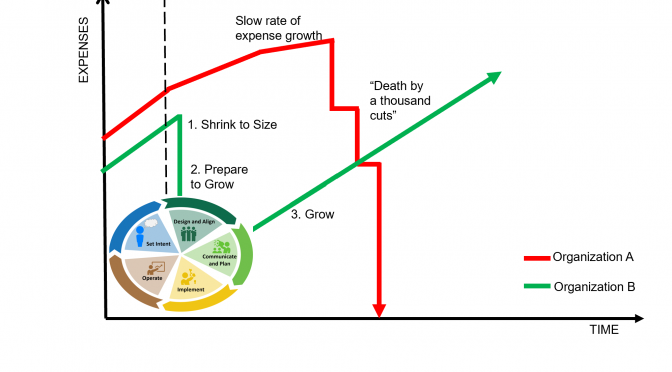
The time-honored formula for managing operations in crisis is simple and straightforward:

  1. Shrink to the size you can afford
  2. Prepare to grow
  3. Grow
Watch this video for an explanation of how to avoid “death by a thousand cuts” and come out strong instead in a crisis!

While shrinking to size takes force of will, it can be done by just deciding to do it. Preparing to grow is harder and takes careful thought and planning.

IntelliVen is management’s guide, especially in a crisis, to maturing operations in sync with stage of venture evolution to create maximum value in minimal time. 

In this time of crisis, we want to share what we have learned with you and your team. Join us for a FREE online session.