Emerging executives often find themselves in situations where they must engage with senior sales prospects, clients, suppliers, partners, or colleagues. Typically, their level of comfort determines how they interact, and when facing someone more senior, feelings of anxiety and insecurity can arise. This often results in holding back, saying less, and ultimately achieving less impact in the interaction.
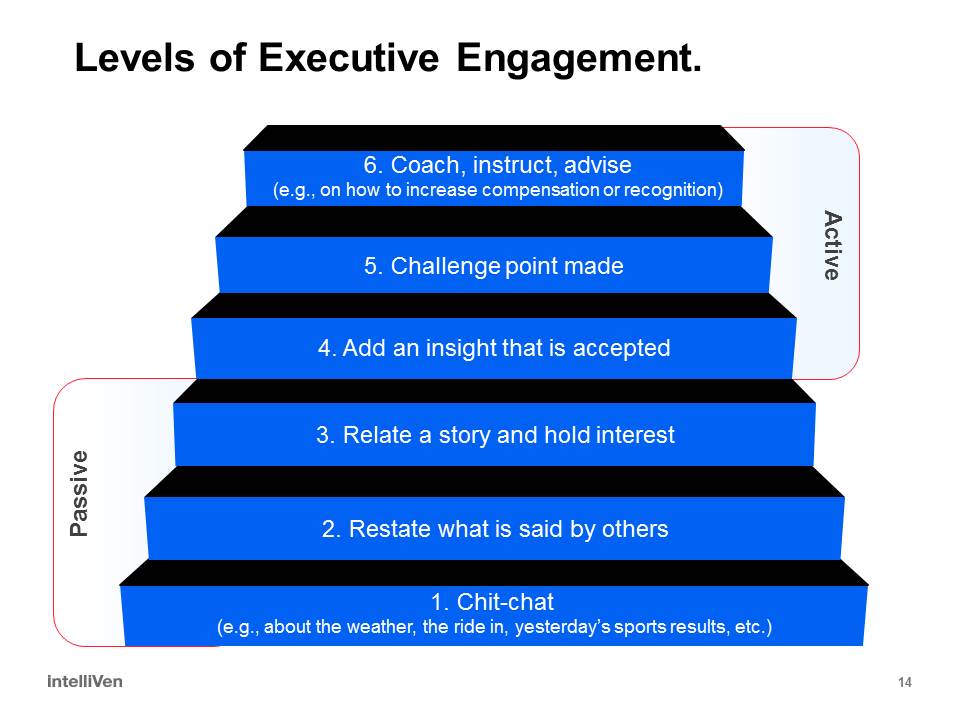
However, reaching higher and engaging at the most senior level possible can yield significantly better results and accelerate career growth. Think of this process as climbing a six-level staircase, with each step representing a higher degree of influence and opportunity.
Take One Step at a Time
The first step represents the most basic level of engagement. While it’s easy to accomplish, it adds minimal value. Each subsequent step becomes slightly easier when it builds on the last, but each also demands progressively more effort and carries greater risk.
Reaching the top step unlocks exceptional value but requires the most courage and commitment—particularly the first time
Take the Steps in Order
By taking each step in order and aiming to reach the highest level possible in each interaction, emerging executives can steadily build confidence and skill. With each successful engagement, they gain valuable perspective, mature in their role, and position themselves for maximum impact and career growth.
Climbing these steps is often easier if the emerging executive is older or holds a higher rank than the other party. For less-experienced professionals, however, the real challenge lies in summoning the courage and determination early in their careers to engage at progressively higher levels.
Instinct may suggest deferring to more senior colleagues, and managers often reinforce this by stepping in, assuming it’s safer to take over. However, encouraging up-and-comers to engage directly with senior prospects, clients, suppliers, partners, and colleagues creates invaluable learning and growth opportunities. Managers should do the opposite of jumping in—allowing emerging executives to step up and lead these interactions to unlock their potential
You Don’t Have to Wait—or Climb Alone
Choosing not to push for the next step may feel like the safer option, but this approach often means reaching the highest levels of impact only after many years. There’s no need for emerging executives to wait until experience accumulates naturally; anyone can begin climbing these steps at any stage in their career, and the sooner, the better.
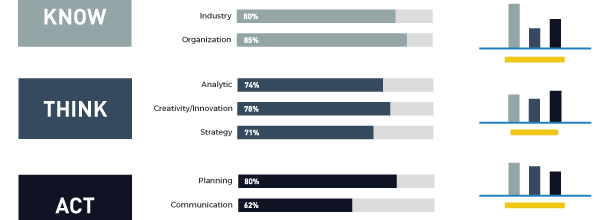
Aspiring executives often wonder how they can add insights, challenge viewpoints, or offer valuable coaching and advice (steps four, five, and six) with only a few years of experience. The reassuring answer is that no one—no matter how junior—has to do it alone. The collective knowledge and expertise of the entire organization can be leveraged to prepare for every high-stakes interaction, ensuring that each engagement builds on the full strength of the organization’s insights.
Earn the Right to Lead by Drawing on Collective Strength
Those who consistently draw on, internalize, and contribute to their organization’s collective expertise with each executive engagement will drive the greatest impact and quickly earn the opportunity to do even more.
Aspire to approach every situation as the organization’s best and most knowledgeable would. This approach provides a powerful form of leverage, enabling emerging executives to perform at exceptional levels and serving both their personal growth and their organization’s success.
Unlock Your Potential:
IntelliVen Manage to Lead Program for Emerging Executives
The Path to Breakthrough Performance
- Conceive, launch, drive, guide, and govern Strategic Initiatives.
- Foster and achieve the change you want.
- Become a better and more confident strategic thinker and leader.